Camera vision
Real-time recognition, high-resolution imagery and threat detection for surveillance, border security and reconnaissance.
One platform · many missions
Aerinos is being built around a single modular base platform and a growing library of tool-free payloads — so one system can do the work of several.
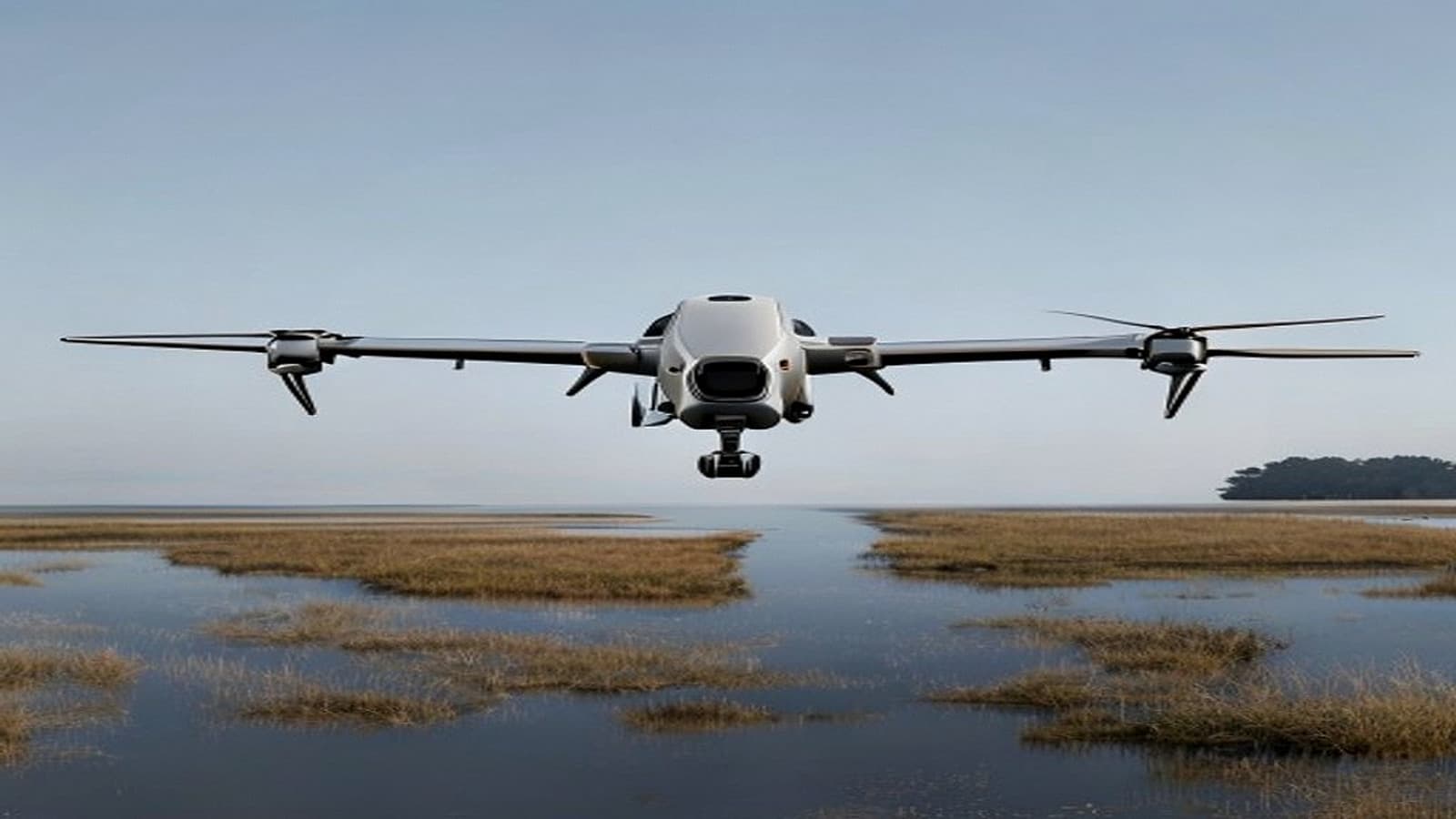
A closed, single-purpose drone locks each new mission into a new airframe. Aerinos separates the vehicle from the mission so one platform can adapt.
A rugged base aircraft configured to the mission instead of forcing each new mission into a new vehicle program.
→Payloads designed to change in minutes in the field, without specialist tools, while preserving positive locking and configuration awareness.
→Standard mechanical, power, data and software boundaries intended to reduce one-off integration for each new payload.
→Environmental protection, practical materials and mission margins considered from the beginning rather than added after a laboratory prototype.
→Modular packaging, accessible wear items and guided diagnostics shaped around austere deployment and maintainability.
→Common components, controlled configurations and design-for-manufacture choices intended to support repeatable assembly and scale.
→Each aircraft is planned to ship with mission payloads and to accept more as the library grows — turning one purchase into a platform that keeps gaining capability.
Real-time recognition, high-resolution imagery and threat detection for surveillance, border security and reconnaissance.
High-resolution cameras, LiDAR mapping, RF sensing and counter-UAS capability for asset and perimeter protection.
Threat recognition, real-time data processing and adaptive flight for autonomous intelligence within operator limits.
Medical-supply delivery and life-saving equipment for disaster relief, search and rescue and humanitarian aid.
Extended-range sensing and payload delivery for border, maritime and wilderness monitoring.
Policy-governed, authorized-government configurations delivered only within applicable law and rules of engagement.
Payload families describe the capability the architecture is being designed to support. They are development targets, subject to engineering and test. Authorized-effects configurations are intended only for lawful use by authorized government users.
The platform is being designed to deliver comparable Group 2 capability at a fraction of the cost of established systems — a decisive advantage when programs buy at scale.
Modularity compounds that advantage: a single multi-role platform lowers total cost against operating several specialized UAVs, and new payloads extend the platform instead of replacing it.
Planned manufacturing relationships, common components and design-for-manufacture choices are intended to support repeatable assembly and a credible path to volume production.
Cost and production statements are qualitative design intent for a pre-production program. Pricing, margins and rates will be established through engineering, sourcing and customer process.
See how the same base platform expresses across four operating domains, and how the shared mission architecture makes each new payload and vehicle less of a fresh engineering program.
Government · allied · industry
We are building around real operating requirements and integration constraints.
Request a briefing ↗